
The Spirit of Kanji (exhibition)
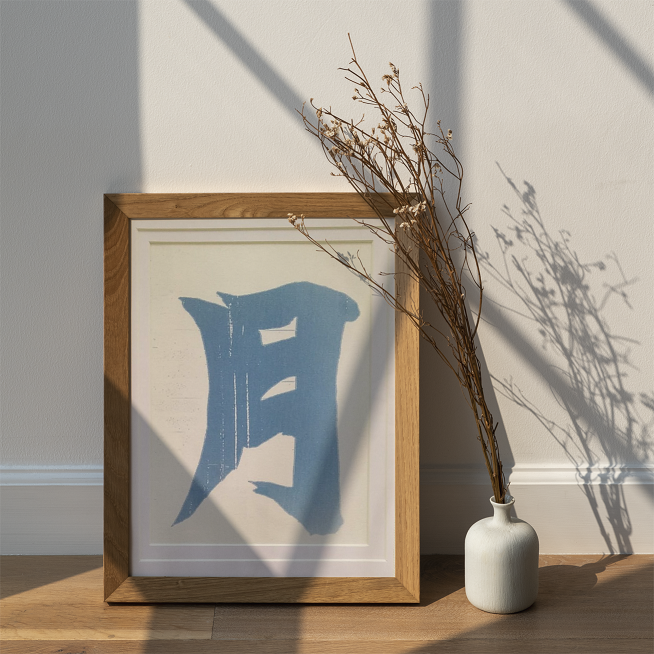
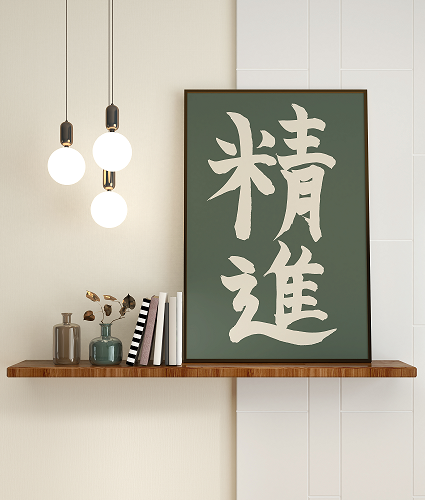
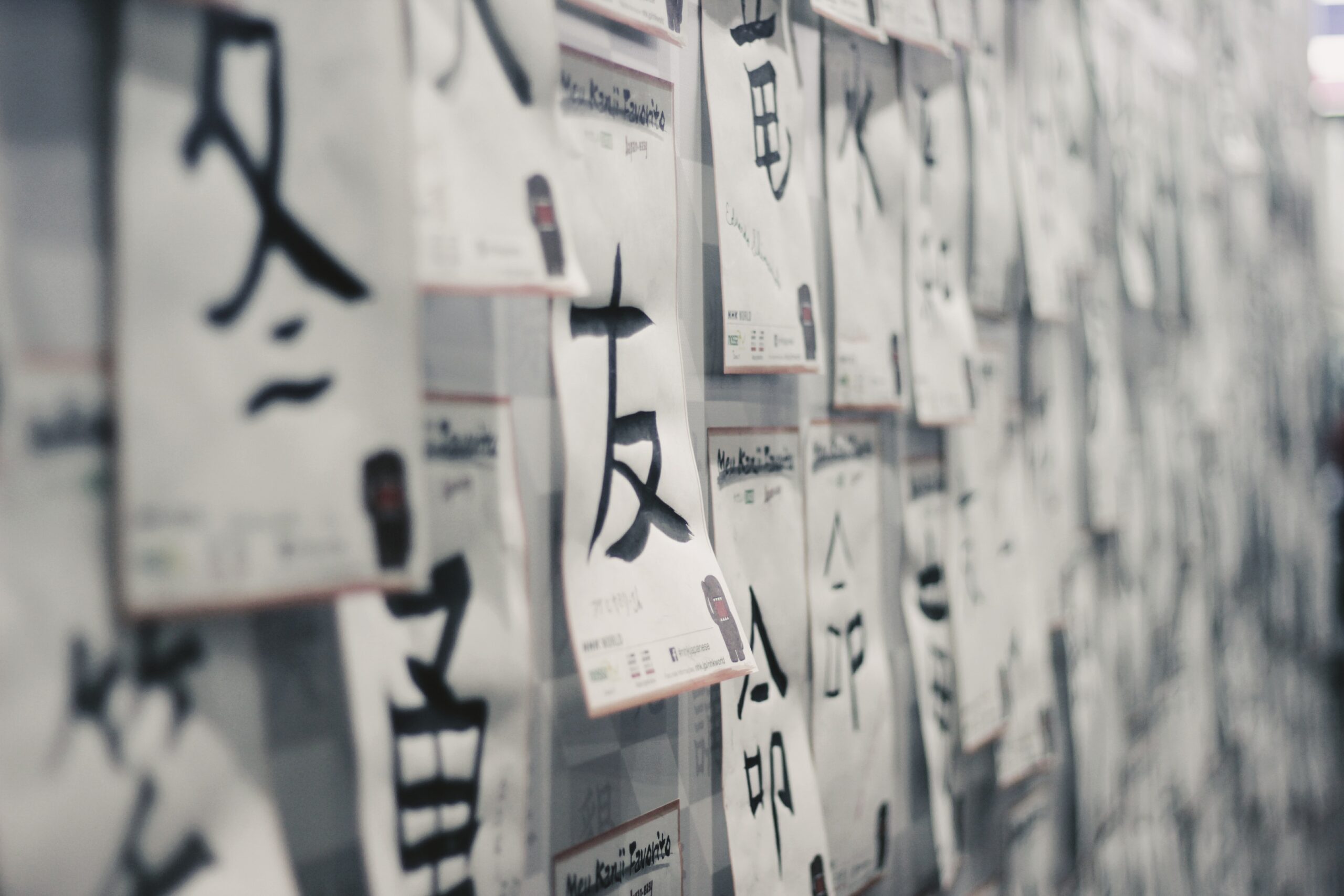
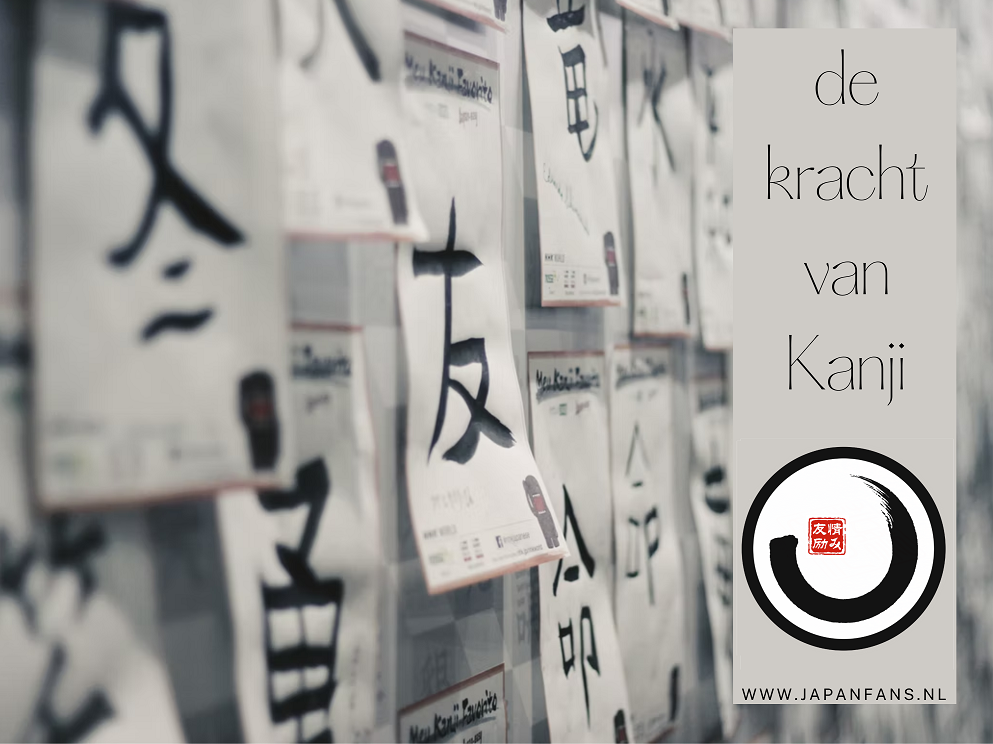
The Spirit of Kanji (in Dutch “de kracht van kanji”) is an artistic research into Utrecht inhabitants with Asian roots and a connection with kanji, in interviews and shodo (Japanese calligraphy). The idea for The Spirit of Kanji arose during a cooking workshop at community centre Rosa in Utrecht West. Japanese students were cooking together with two elderly Chinese ladies — unable to communicate verbally, they resorted to gestures until one participant wrote a kanji character. Instantly, understanding blossomed.
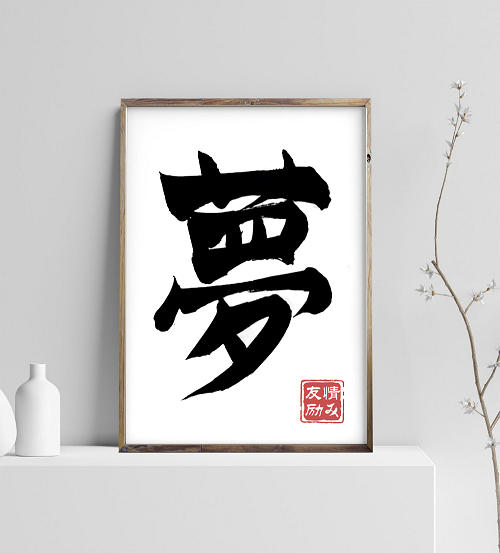
From that moment grew a project about connection through language and art. We interview Utrechters of Asian descent about their experiences in the city: how they came here, what makes them feel at home, and what they hold dear — from favourite foods to treasured memories. Together, we choose one key word that is then transformed into a shodo (Japanese calligraphy). These calligraphies form a collective portrait of “Asian life in Utrecht”, uniting voices and stories across cultures.
The “spirit” in The Spirit of Kanji refers not to spirituality, but to the connecting power of writing — a bridge between languages and people.
We have exhibited the works across Utrecht, with several pieces now permanently on view in Bibliotheek Leidsche Rijn. The project has also been featured in local and regional media, including De Gaykrant. The interviews are transcribed for academic research and will contribute to future publications exploring what makes people of Asian descent feel at home in Utrecht.
Concerts and Performances
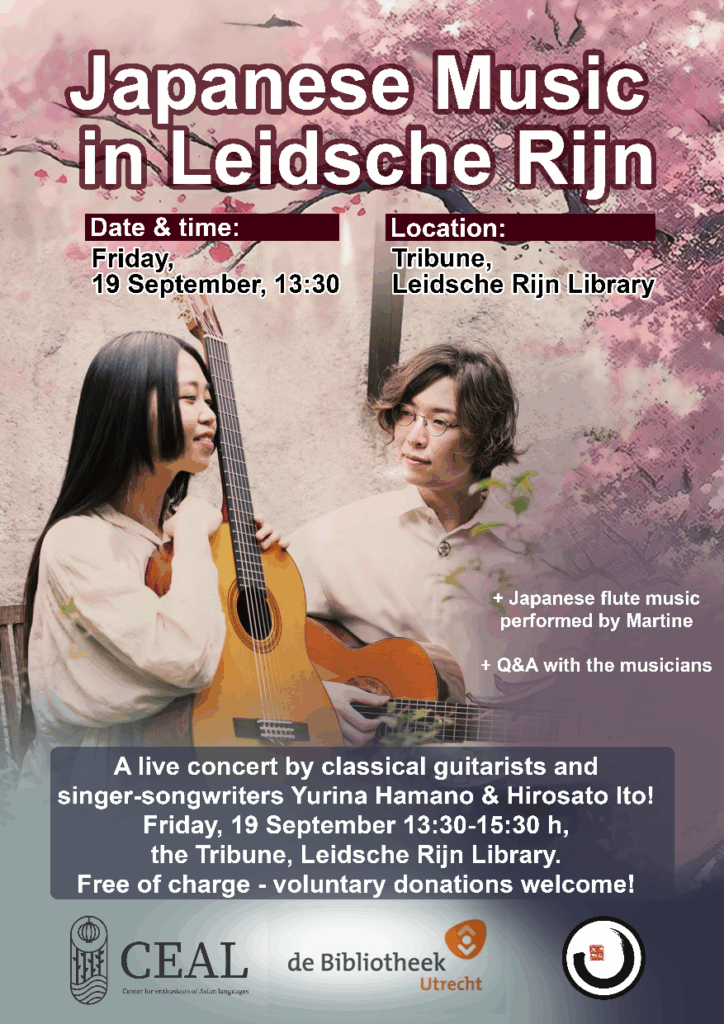
CEAL organises concerts that celebrate the diversity of musical traditions — from classical and folk to traditional Japanese and film music. Our performances feature a wide range of instruments, including shakuhachi, piano, harp, and flute, blending East and West in sound and spirit.
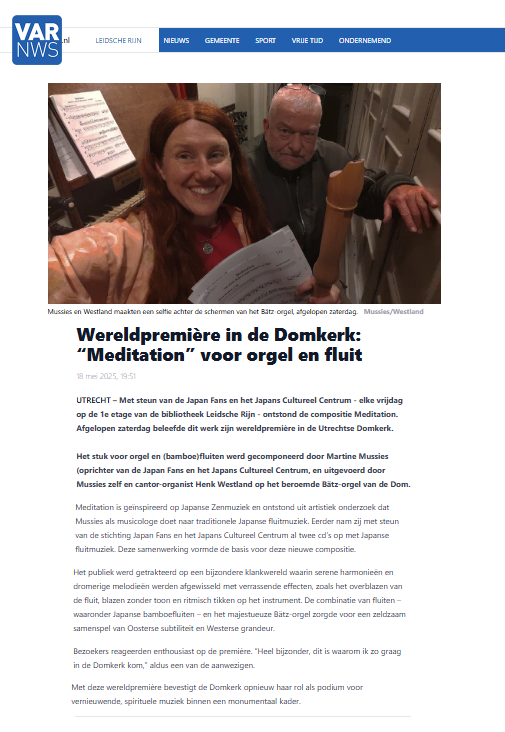
We perform in many different settings: from intimate concerts in care homes and hospitals to large venues such as Utrecht’s Domkerk, the Neude Library, and Bibliotheek Leidsche Rijn. Our musicians have also performed at Camera Japan Festival and during special cultural events, including the opening of the Japanese Garden in the Maximapark.
Each concert aims to create moments of connection — between cultures, generations, and hearts — through the universal language of music.
Hojōjutsu – the Japanese art of rope binding (exhibition)
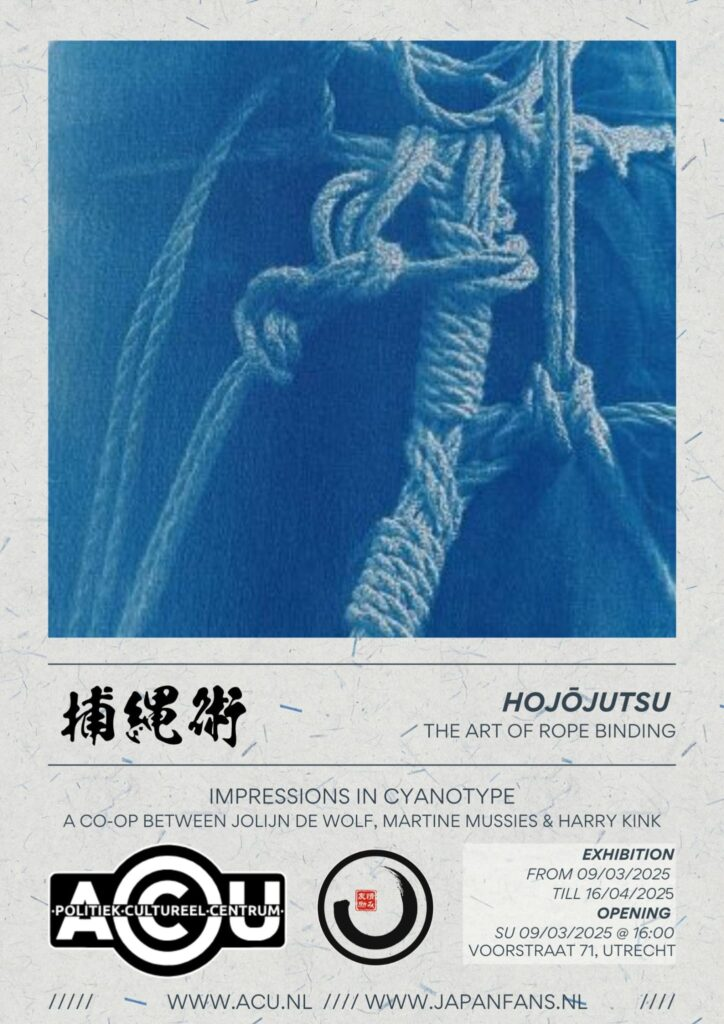
Not many people are familiar with Hojōjutsu, the ancient Japanese art of rope tying. Although it is often associated with its historical use in the samurai period, this martial art also complements modern martial arts. Besides functionality, this tying method also pays close attention to aesthetics and balance.
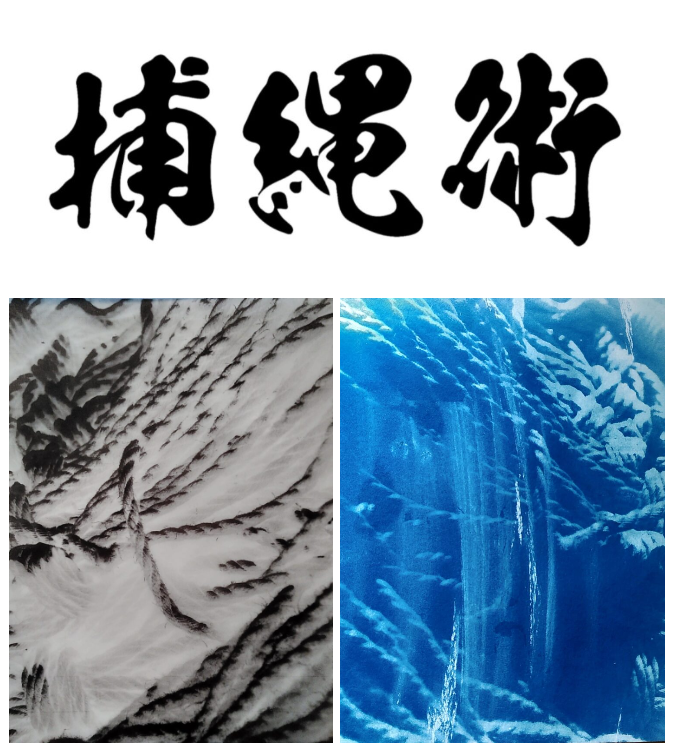
Through the Japan Fans Foundation, rope artist Harry Kink, visual artist Jolijn de Wolf and researcher Martine Mussies got to know each other. Together, they captured the delicate and powerful knots of Hojōjutsu through the photographic technique of cyanotype. A fusion of functionality, aesthetics and craftsmanship.
As the exhibition was prolonged, the results are stil on display in ACU (Voorstraat in Utrecht).